
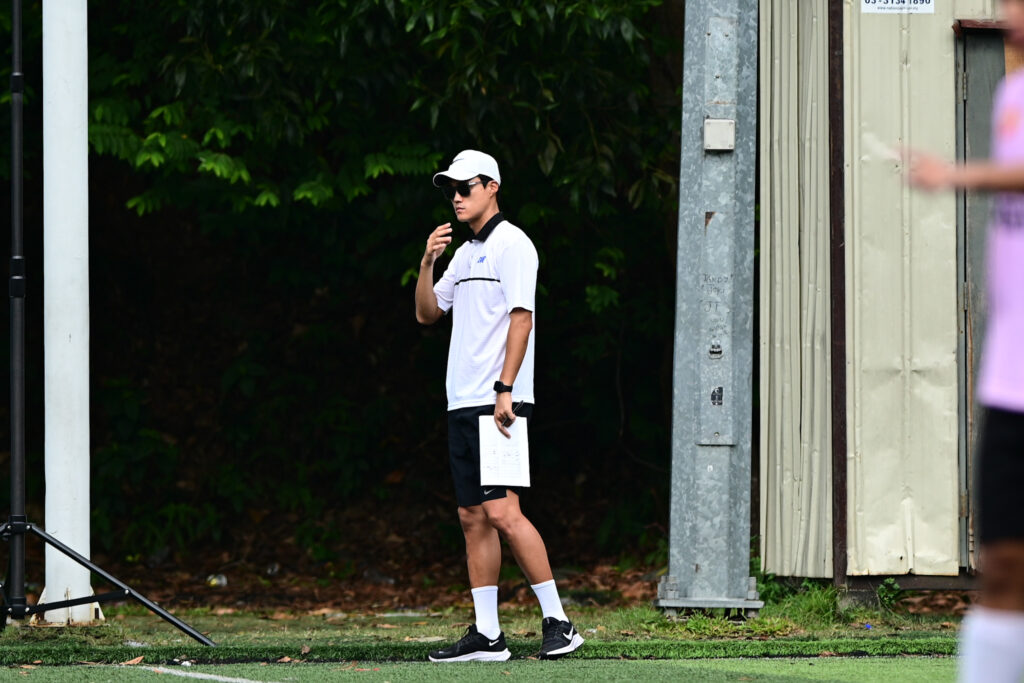
For children passionate about football, having a professional coach can make all the difference in their development and success in the sport. A coach is not just a trainer but a mentor, guide, and role model who plays a crucial role in shaping a young player’s football journey.
1. Expert Guidance and Skill Development
1.1 Tailored Training Programs A professional coach possesses the knowledge and expertise to design training programs that are tailored to the specific needs and abilities of each child. Unlike generalized group sessions, personalized coaching ensures that a young player’s strengths are honed and weaknesses are addressed, leading to more effective skill development.
1.2 Correct Technique and Fundamentals Learning the correct techniques and fundamentals of football is essential for long-term success. A professional coach ensures that children learn these basics properly, reducing the risk of developing bad habits that can hinder progress. Proper technique also minimizes the risk of injury, allowing children to enjoy the game safely.
1.3 Progressive Skill Building Football is a complex sport that requires a combination of physical, technical, tactical, and mental skills. A professional coach structures training sessions in a way that progressively builds these skills, ensuring that children develop at a pace that suits their growth and learning capacity.
2. Building Confidence and Motivation
2.1 Positive Reinforcement A professional coach understands the importance of positive reinforcement in a child’s development. By providing constructive feedback and celebrating small victories, a coach helps boost a child’s confidence and self-esteem, motivating them to push themselves further and strive for improvement.
2.2 Setting Achievable Goals Setting and achieving goals is a key part of a child’s football journey. A professional coach helps set realistic and achievable goals for young players, ensuring they experience success while still being challenged. This goal-setting process fosters a sense of accomplishment and encourages continuous improvement.
2.3 Instilling a Love for the Game A good coach doesn’t just focus on winning but also on instilling a deep love and passion for the game. By creating a positive and enjoyable learning environment, a professional coach ensures that children develop a lifelong appreciation for football, which is essential for sustained participation and growth in the sport.
3. Developing Discipline and Work Ethic
3.1 Teaching Discipline and Responsibility Football requires discipline, both on and off the field. A professional coach teaches children the importance of discipline, whether it’s showing up on time for practice, following instructions, or maintaining focus during training sessions. These lessons in discipline translate to other areas of life, including school and personal responsibilities.
3.2 Encouraging a Strong Work Ethic Success in football doesn’t come overnight; it requires hard work, dedication, and perseverance. A professional coach instills a strong work ethic in young players, encouraging them to put in the effort needed to improve and achieve their goals. This work ethic is a valuable life skill that will benefit them in all areas of their lives.
3.3 Handling Pressure and Adversity Playing football often involves dealing with pressure and adversity, whether it’s during a competitive match or in overcoming personal challenges. A professional coach teaches children how to manage these situations with composure, resilience, and determination, preparing them to handle similar pressures in their future endeavors.
4. Enhancing Tactical Understanding and Game Intelligence
4.1 Developing Tactical Awareness Football is not just about physical ability; it also requires a deep understanding of tactics and strategy. A professional coach helps children develop tactical awareness, teaching them how to read the game, anticipate opponents’ moves, and make smart decisions on the field.
4.2 Promoting Team Play and Communication Football is a team sport, and effective communication and teamwork are crucial for success. A professional coach emphasizes the importance of playing as part of a team, teaching children how to communicate effectively with their teammates and understand their roles within the team structure.
4.3 Nurturing Game Intelligence Game intelligence—the ability to think quickly and make effective decisions during a match—is a key attribute of successful footballers. A professional coach nurtures this intelligence by challenging young players with different scenarios and encouraging them to think critically and creatively on the field.
5. Providing Emotional and Mental Support
5.1 Building Resilience and Mental Toughness Football can be emotionally challenging, with ups and downs, victories and defeats. A professional coach provides emotional support, helping children develop the resilience and mental toughness needed to handle both success and setbacks. This mental fortitude is crucial not only for football but also for life’s challenges.
5.2 Encouraging Sportsmanship and Respect A professional coach teaches children the importance of sportsmanship and respect—both for their teammates and their opponents. By promoting fair play and ethical behavior, a coach helps young players develop a strong moral compass that will guide them both on and off the field.
5.3 Creating a Supportive Environment Football is more than just a game; it’s a journey of growth and learning. A professional coach creates a supportive environment where children feel safe, valued, and encouraged to express themselves. This positive atmosphere is essential for nurturing a child’s love for the game and their overall development.
Conclusion
A professional coach plays an indispensable role in a child’s football journey, providing the expertise, guidance, and support needed to help them reach their full potential. From skill development and tactical understanding to building confidence, discipline, and resilience, the influence of a professional coach extends far beyond the football field. For parents looking to give their child the best possible start in football, investing in professional coaching is a critical step toward success in the sport and in life.
Give your child the advantage of professional coaching and watch them grow into not just a better footballer but a well-rounded individual.